
You’ve got a tooth that bothers you. Maybe it’s chipped. Maybe it’s stained. Or maybe there’s a small gap you’ve never liked. You’ve decided to finally do something about it. But now you’re stuck on one question. Should you get bonding or veneers?
Both fix similar problems. Both look natural. But they differ in cost, durability, and how much of your tooth we have to touch. At Mohr Smiles Dentistry, we break it down so you can choose with confidence.
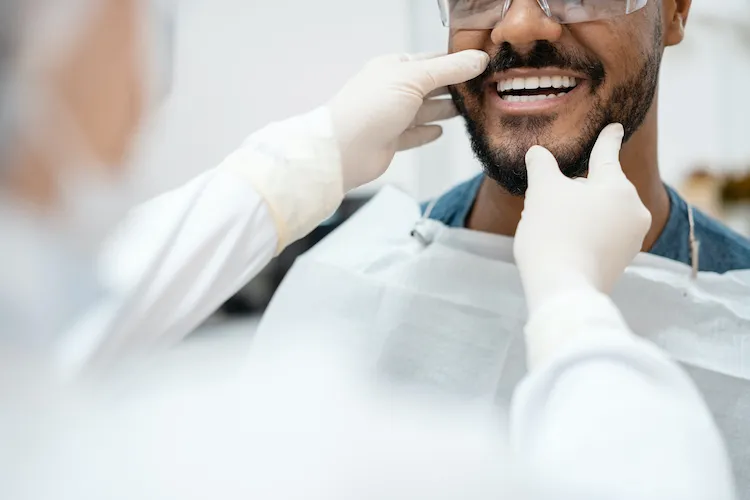
What Is Dental Bonding?
Bonding is the simpler option. We use a tooth-colored resin material that we shape directly onto your tooth. Then we harden it with a special light and hand-sculpt it to match your smile.
Think of it like caulk for small repairs. They fill chips, close tiny gaps, and cover minor stains. The whole thing usually takes one visit and less than an hour.
What Are Veneers?
Veneers are thin, custom-made shells of porcelain. We bond them to the front of your tooth. They cover the entire visible surface, so they can change a tooth’s shape, color, and size all at once.
Think of them like custom tile for a full makeover. Instead of patching a problem, you’re replacing the surface entirely. That means more planning, more appointments, and a bigger investment.
Cost
- Bonding is far more affordable upfront. Most single-tooth bonding runs a few hundred dollars. That makes it a great choice if you’re on a budget or just want to fix one small issue.
- Veneers cost more per tooth. You’re paying for custom craftsmanship and high-quality porcelain. But they also last much longer. Over time, that upfront cost can even out because you don’t have to redo the work as often.
Durability
- Bonding isn’t permanent. It can chip, stain, or wear down over time. Most bonding needs touch-ups or replacement every five to ten years.
- Veneers are much stronger. Porcelain resists staining and withstands daily wear. With proper care, most veneers last 10 to 15 years or longer. Some patients keep theirs for decades.
How Much of Your Tooth Gets Removed?
- Bonding is completely reversible. We don’t remove any of your natural tooth. We just add material on top.
- Veneers require removing a thin layer of enamel from the front of your tooth. That’s permanent. Once you get veneers, you’ll always need some kind of restoration on those teeth. It’s a lifetime commitment.
Which One Looks Better?
Both can look completely natural. Modern bonding material matches your tooth color beautifully. Most people can’t tell the difference. That said, veneers have an edge for big transformations. Porcelain reflects light more like real enamel. It also doesn’t stain from coffee or wine the way bonding can over time.
So Which One Is Right for You?
Ask yourself a few questions:
- Is this a small fix or a full smile makeover?
- Are you on a tight budget, or are you ready to invest for the long haul?
- Do you want something temporary and reversible, or are you ready for a permanent change?
There’s no wrong answer. It’s about matching the treatment to your goals, your budget, and your timeline.
The Mohr Smiles Approach
Dr. Mohr won’t push you toward one option. She’ll look at your tooth, listen to what bothers you, and walk you through both paths. You’ll see photos, hear real pros and cons, and leave knowing exactly what to expect.
That’s the partnership we believe in. You make the decision. We make sure it’s an informed one.
Ready to Talk It Through?
Don’t let one chipped or discolored tooth keep you from smiling in photos. Whether bonding or veneers is right for you, there’s a solution that fits your life.
Call 520-660-5666 to schedule a consultation with Dr. Mohr. Let’s find the right fix for your smile.